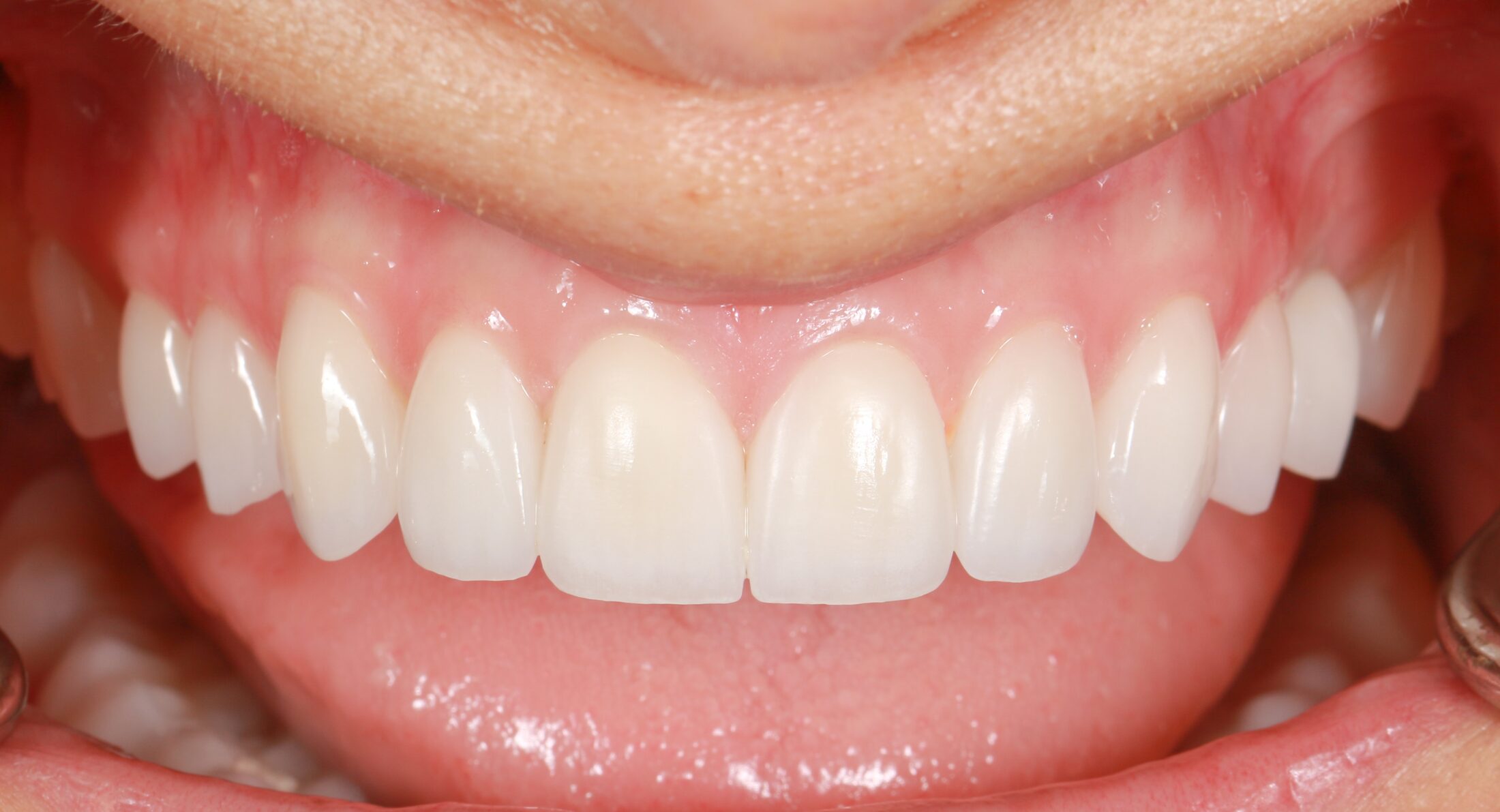
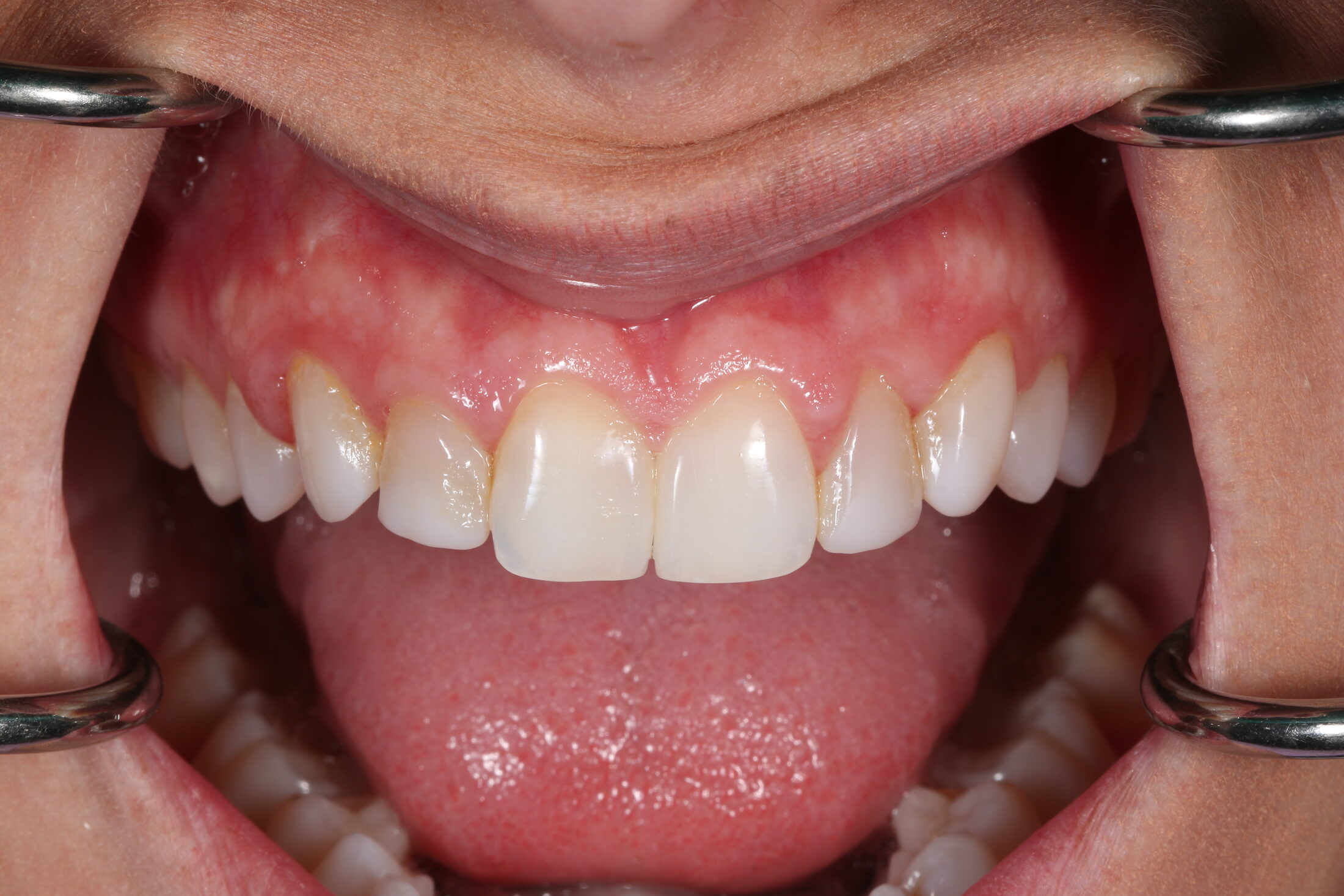
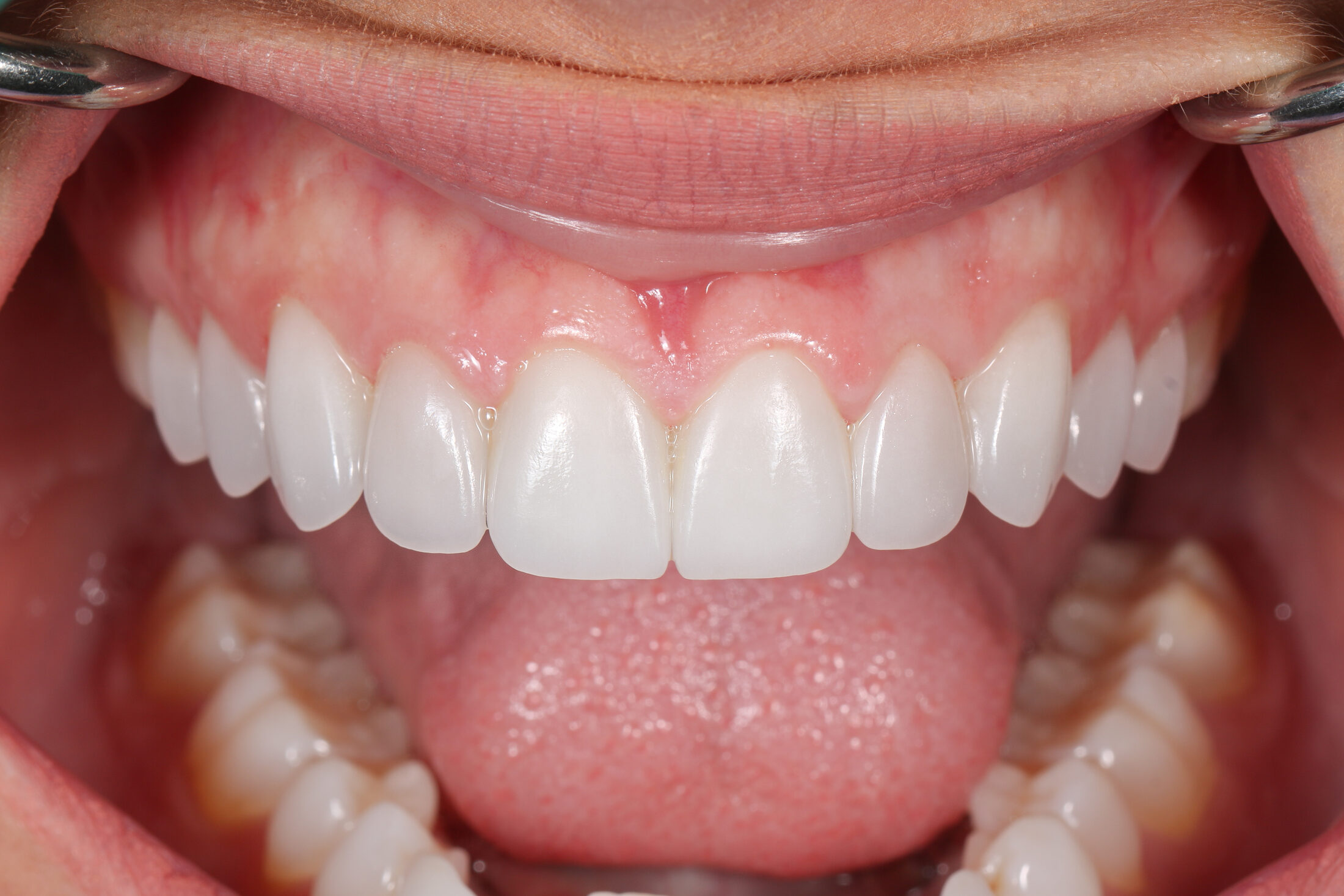
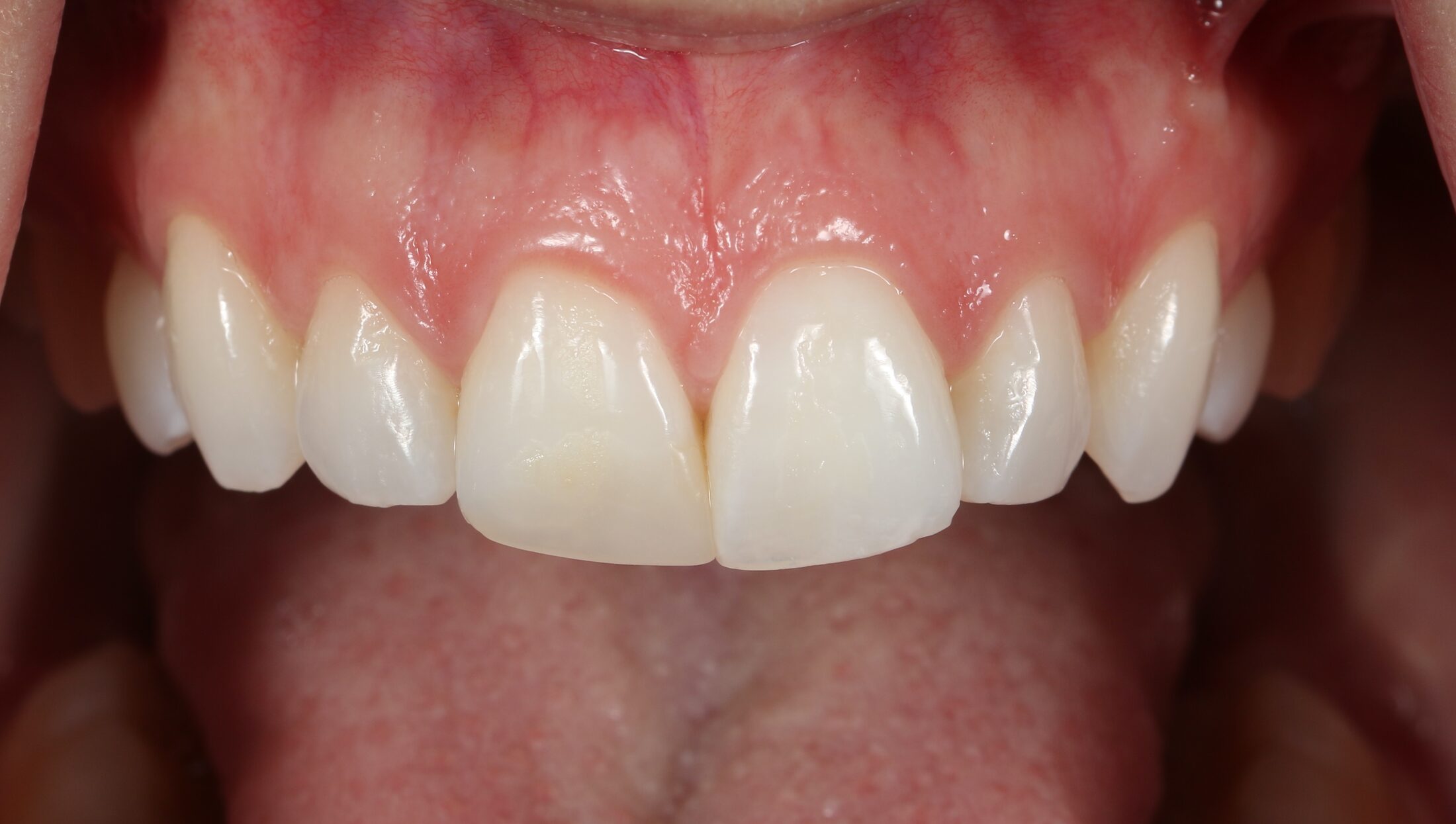
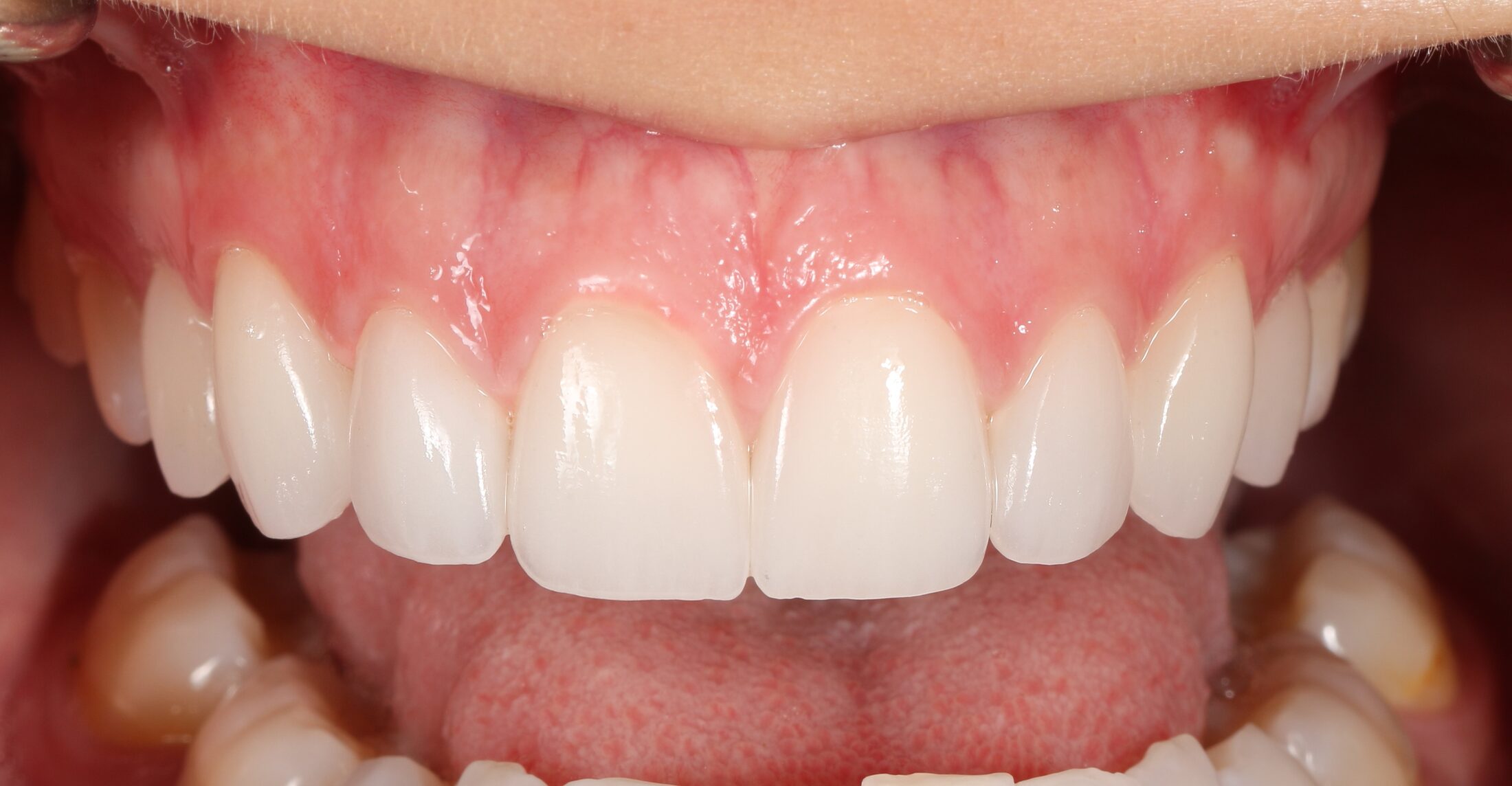
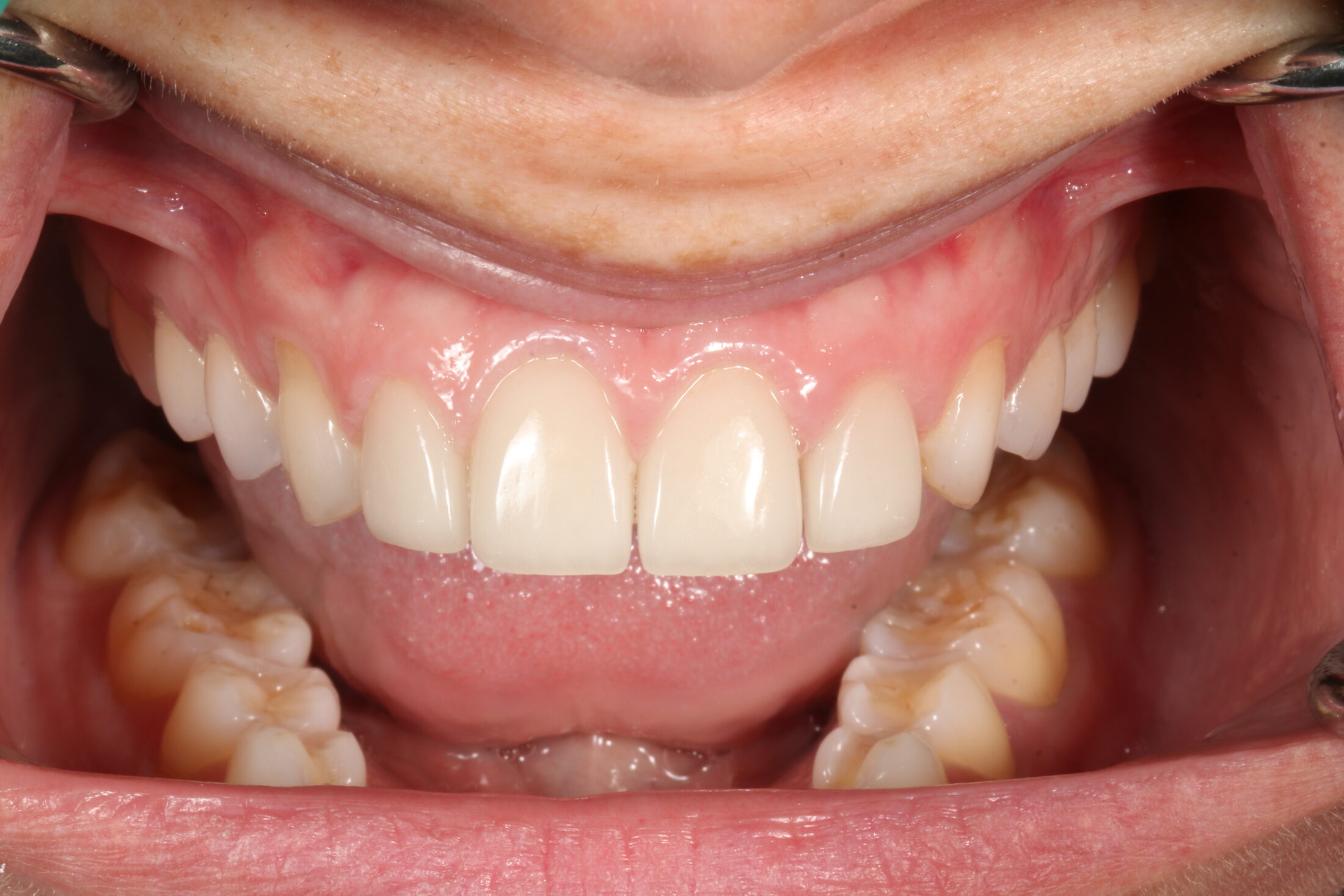
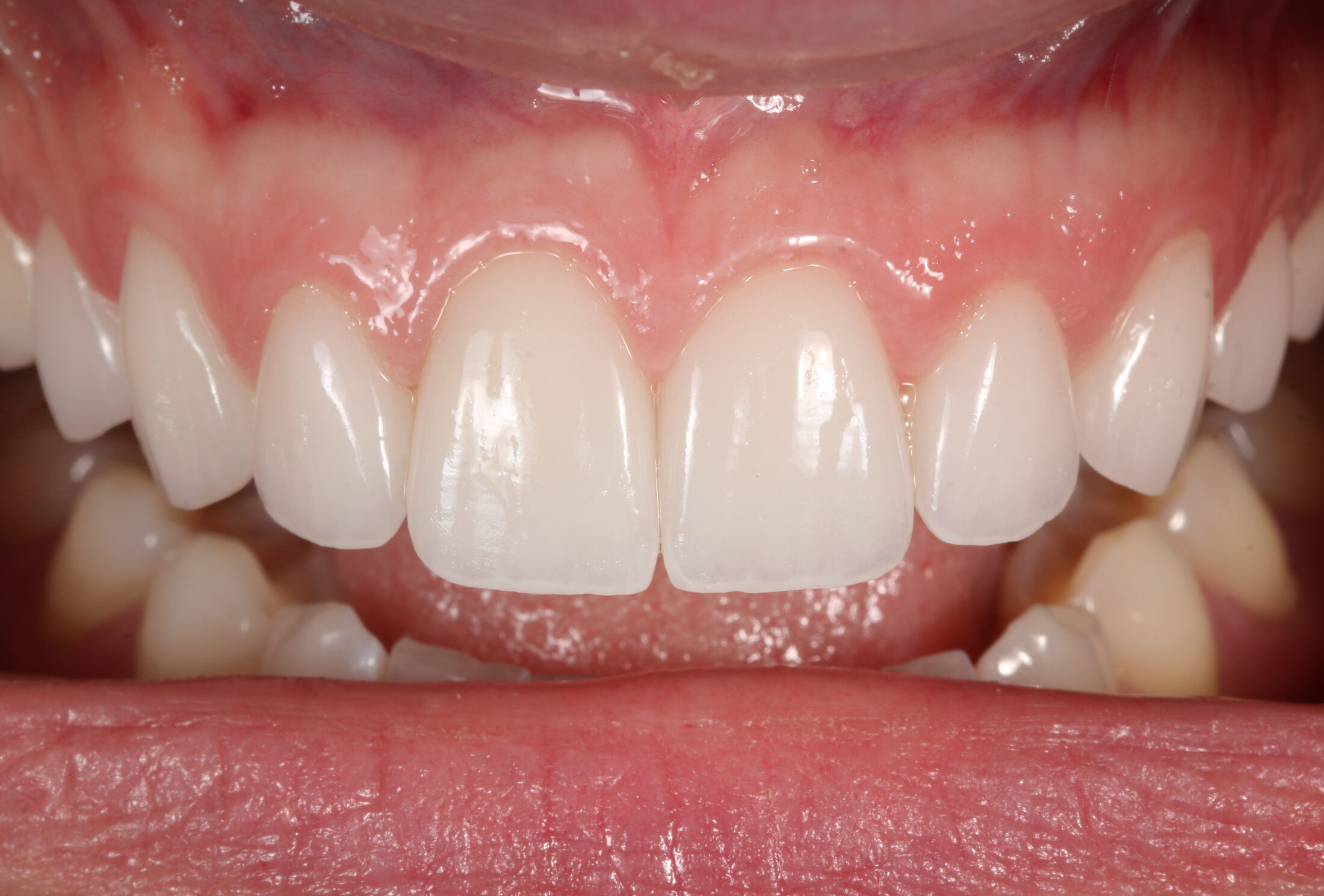
There is no shortage of confusion around the words bonding, veneers, and crowns. Patients are often quoted one of the three at consultations elsewhere without ever being told what really separates them, or why a particular case calls for one and not another. The decision is rarely about taste. It is a clinical decision — and the wrong one can cost a tooth.
Bonding, veneers, and crowns sit on a spectrum of how much tooth structure is covered and replaced. Bonding adds material onto a tooth without removing it. Veneers cover the front surface with a thin layer of ceramic. Crowns wrap the entire tooth in a restoration. Each of those interventions has its own ideal indication, its own longevity, and its own consequence when it is misapplied.
The job of the specialist is to match the right restoration to the right tooth at the right time — never the other way around. A beautiful set of veneers cannot rescue a tooth that needed a crown. And a crown placed where a veneer would have sufficed sacrifices irreplaceable tooth structure forever.
The mistake is rarely in the artistry. It is almost always in the diagnosis.
Why this conversation matters
As a board-certified prosthodontist, I have spent the last decade replacing restorations that should never have been placed — bonding that has yellowed and chipped, veneers that should have been crowns, and crowns that destroyed teeth that needed only a veneer. None of those original treatments were technically poor. They were planned poorly.
The conversation we have with every new patient begins with that diagnosis. Before any restoration is offered, the teeth are examined for structure, the bite is evaluated, the aesthetic concerns are heard, and the options are explained — in plain language — in terms of what each will achieve and what each will cost. That is what informed consent really looks like.
If you are weighing a recommendation you have received elsewhere, or trying to make sense of what your treatment plan should be, the most important question is not which restoration — it is who is doing the diagnosis.