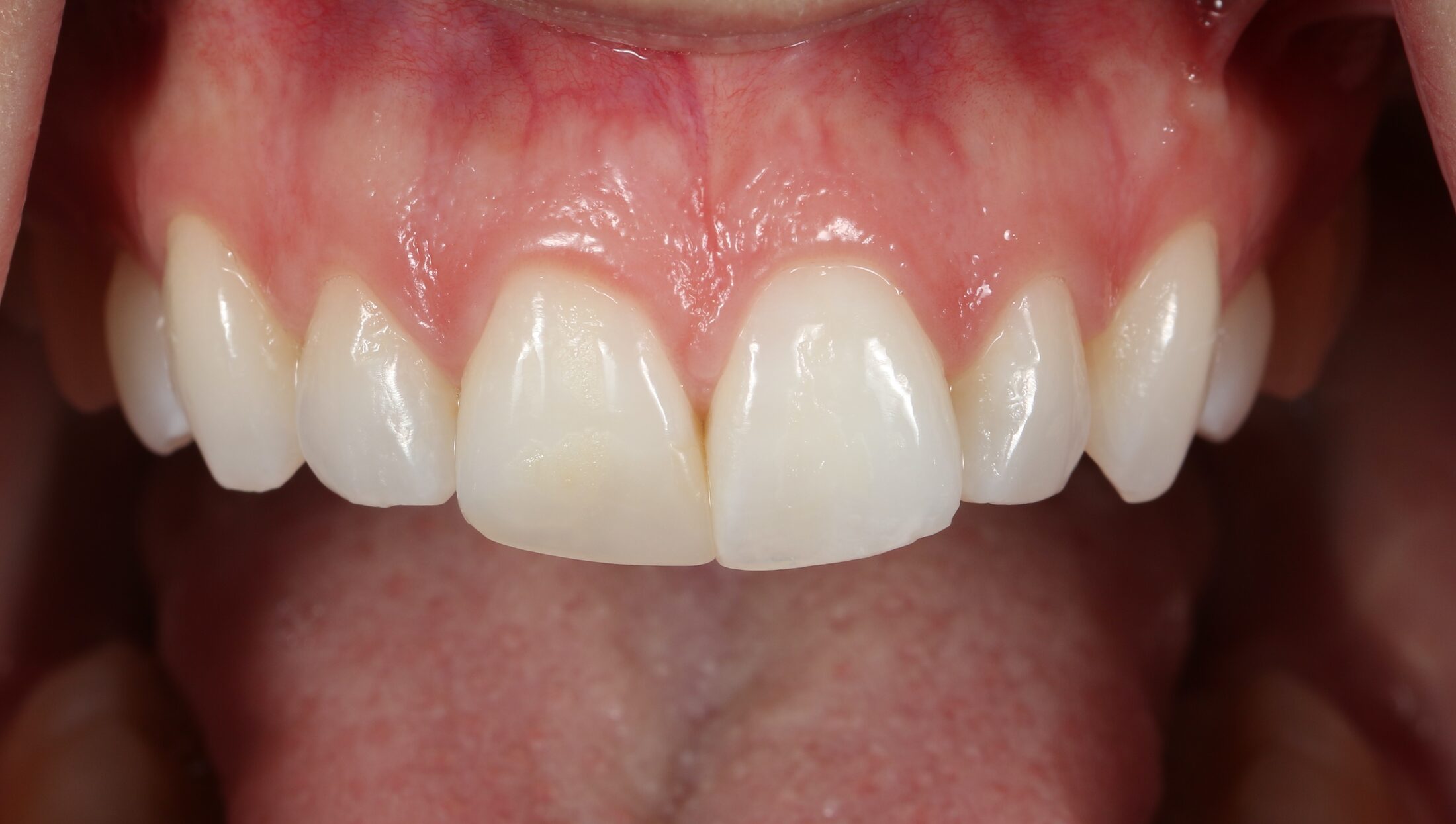
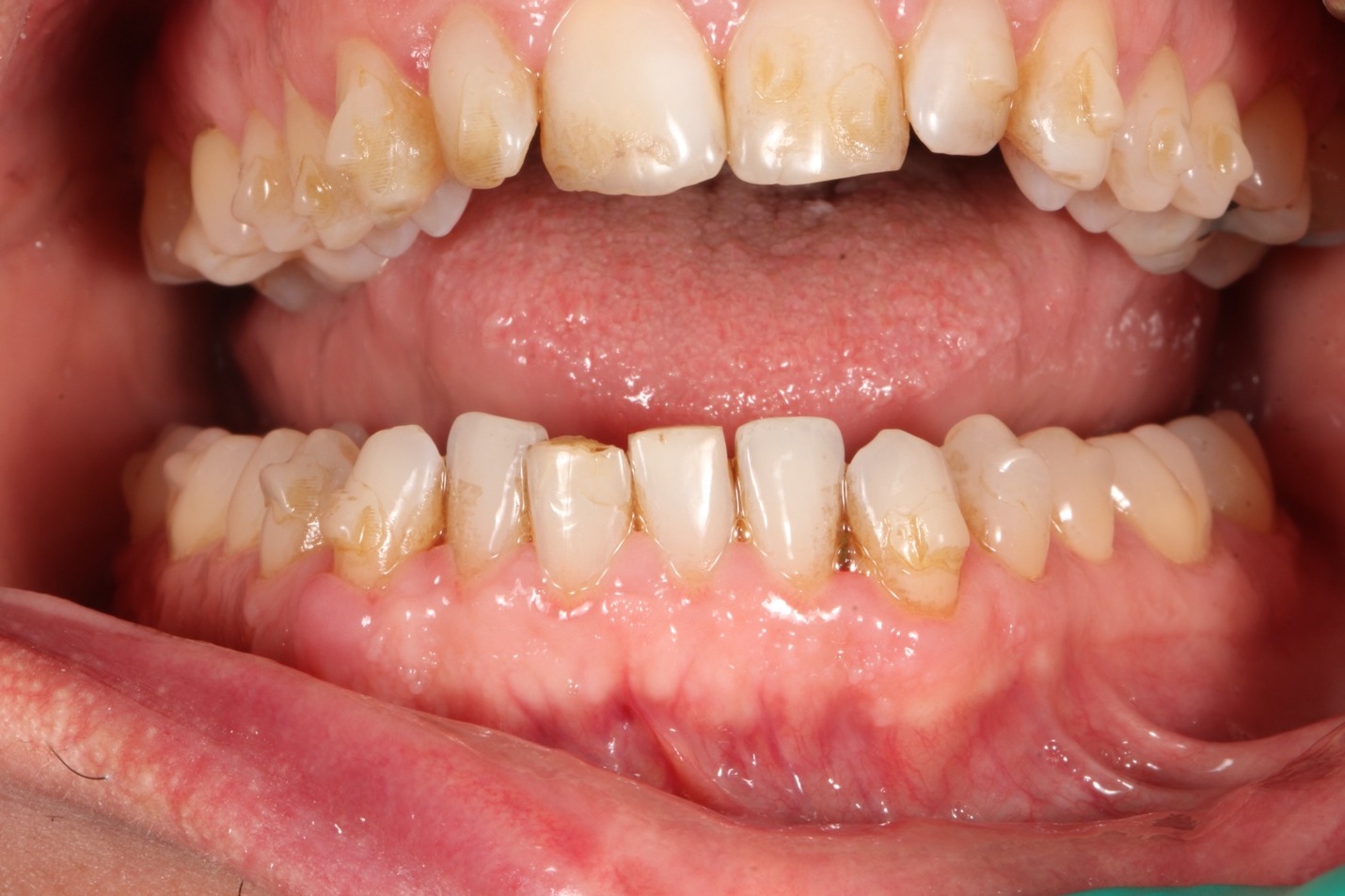
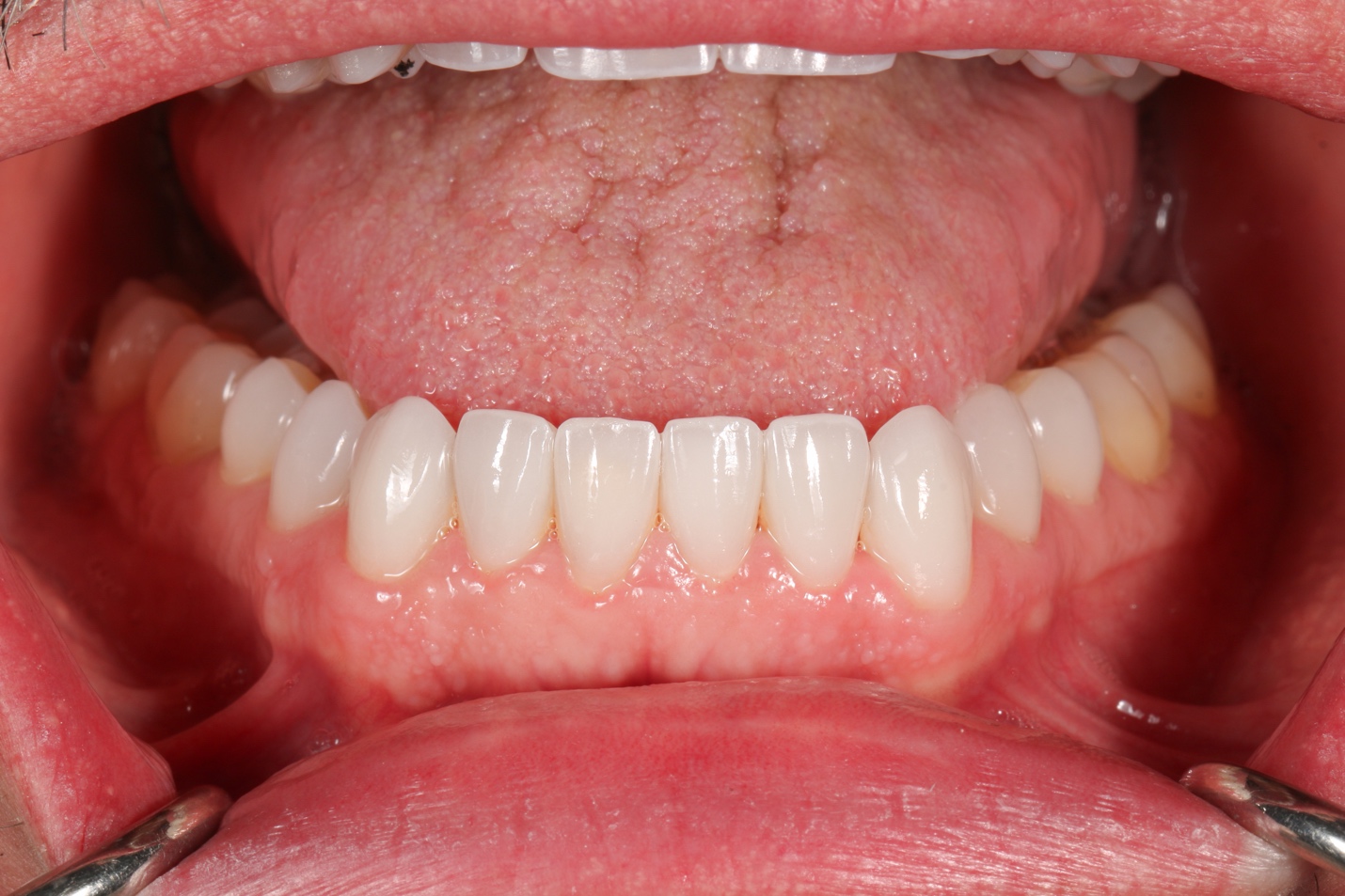
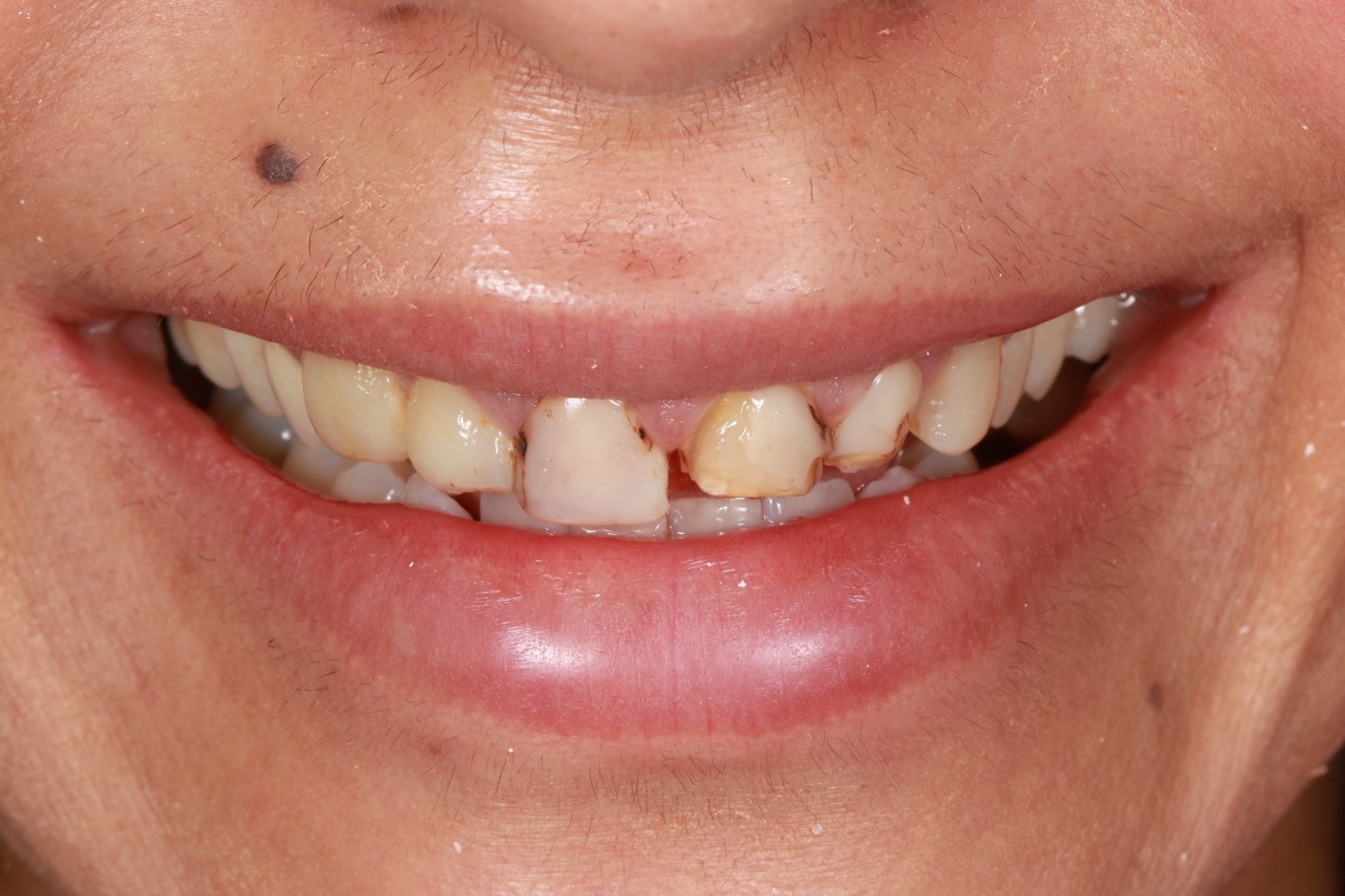
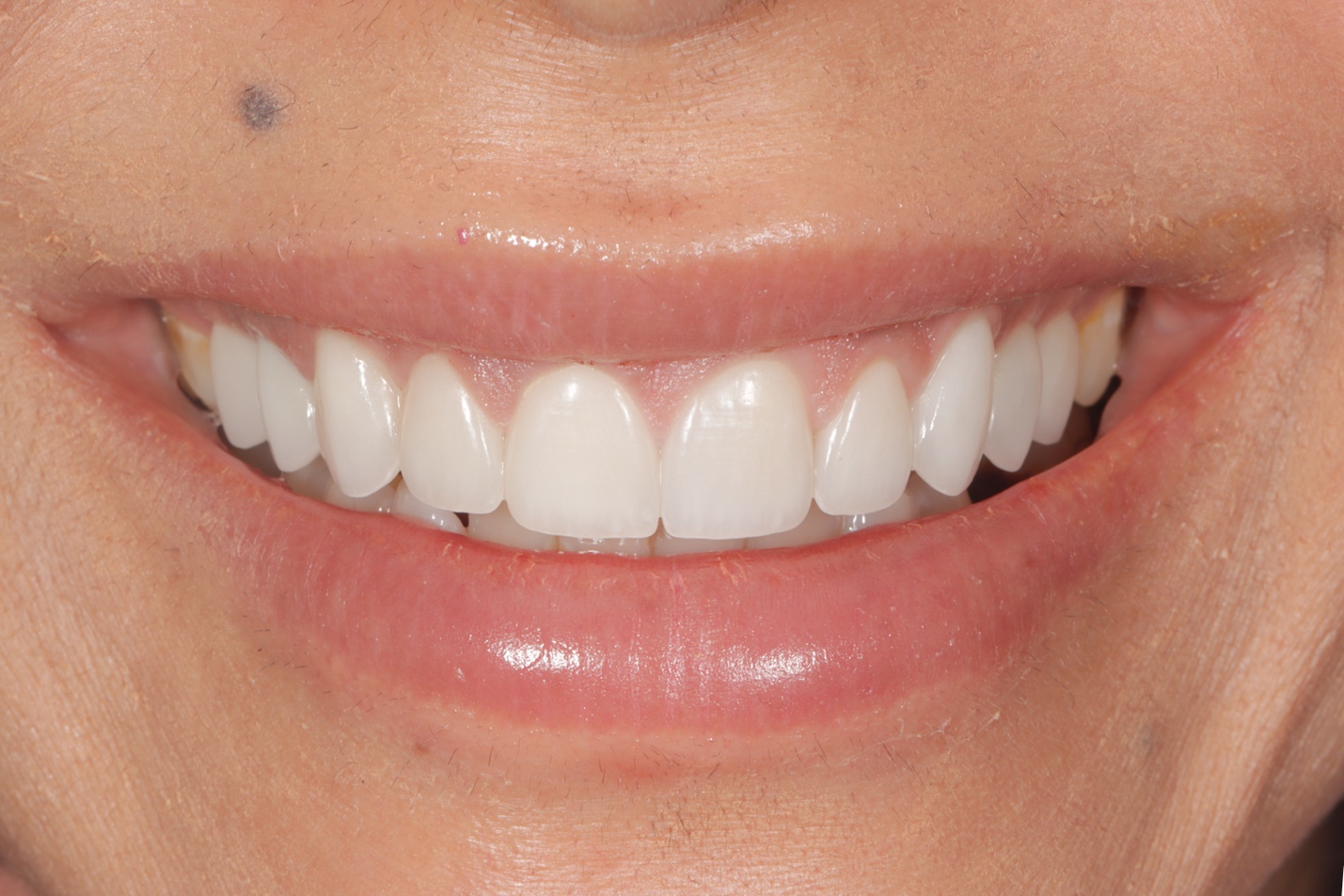
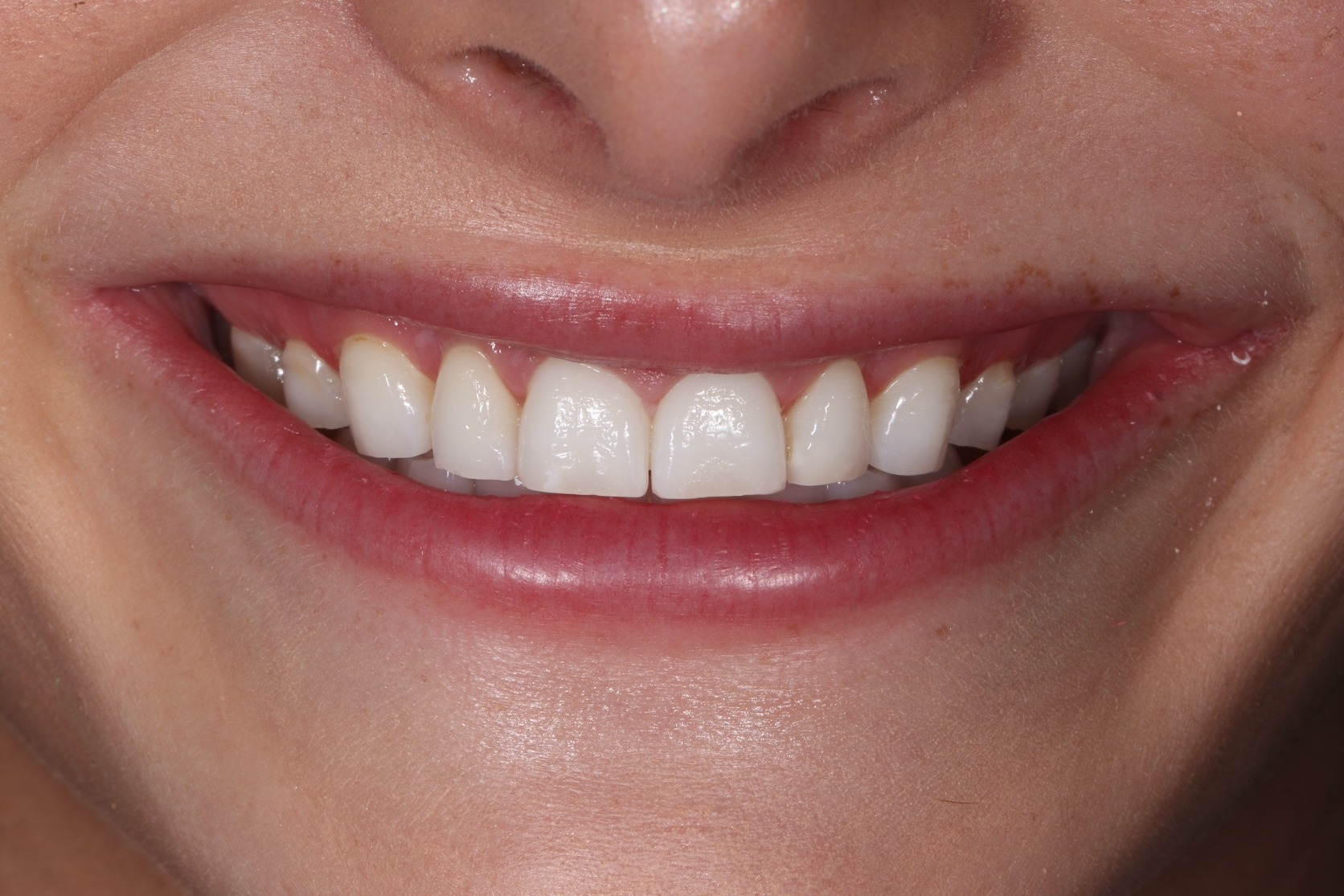
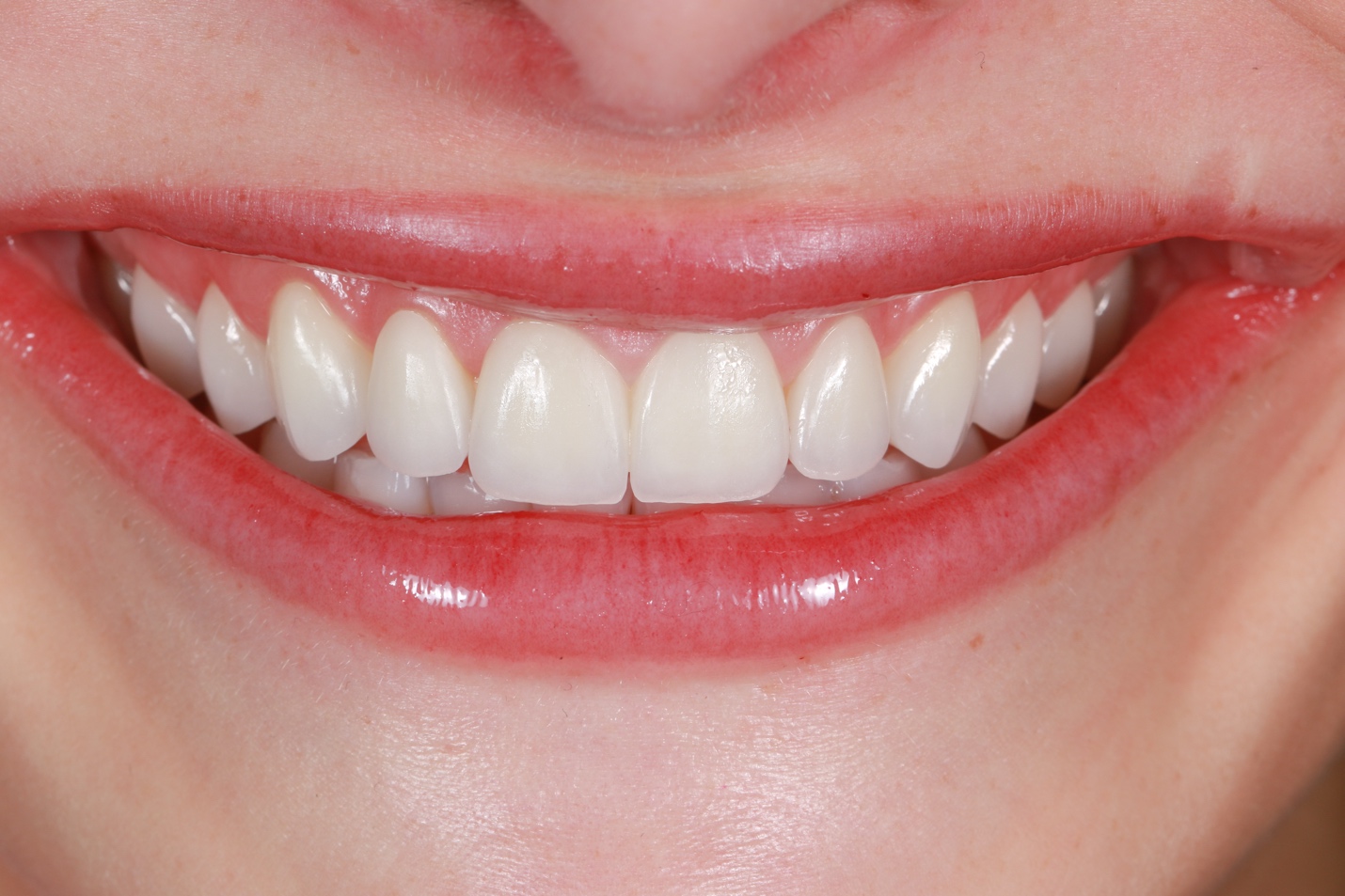
If you’ve ever caught yourself covering your smile in public, hesitating to laugh fully, disliking your smile in photos, or quietly wondering whether your teeth could look the way you’ve always wished, you have already asked the most important question — “Do I wish my smile was better?” The next one — am I a good candidate for veneers? — is the one we hear almost every day. The answer is more about what veneers can do for you to correct the insecurities or concerns you have with your smile.
The power and potential that veneers hold is significantly greater than what you may think. The use of veneers in conservative dentistry is much more ubiquitous today thanks to our modern materials, techniques, and understanding. They are one of the most powerful approaches to delivering an aesthetic change to a patient’s presentation or smile while championing a conservative mentality, protecting a patient’s biology and natural structures.
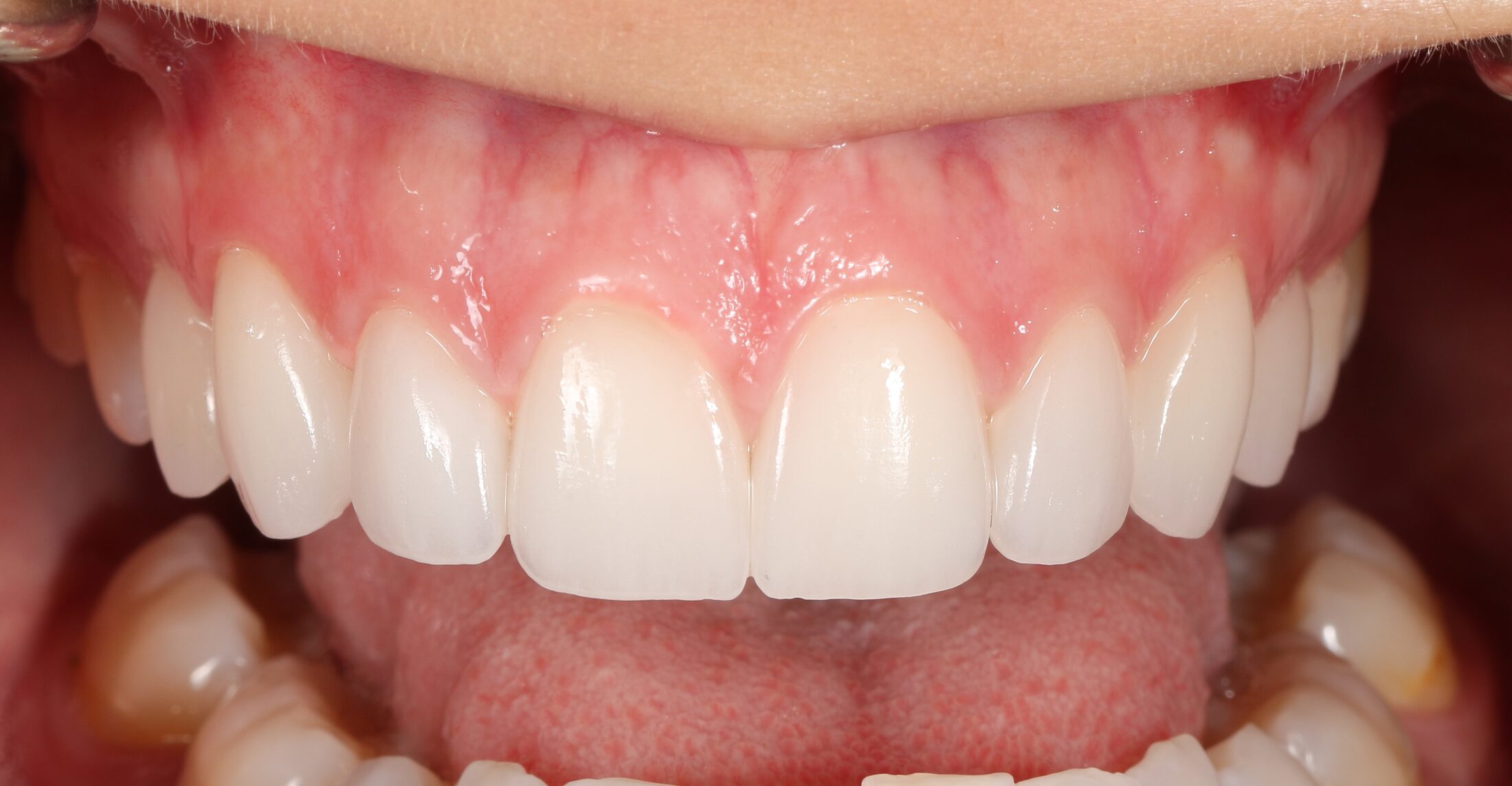
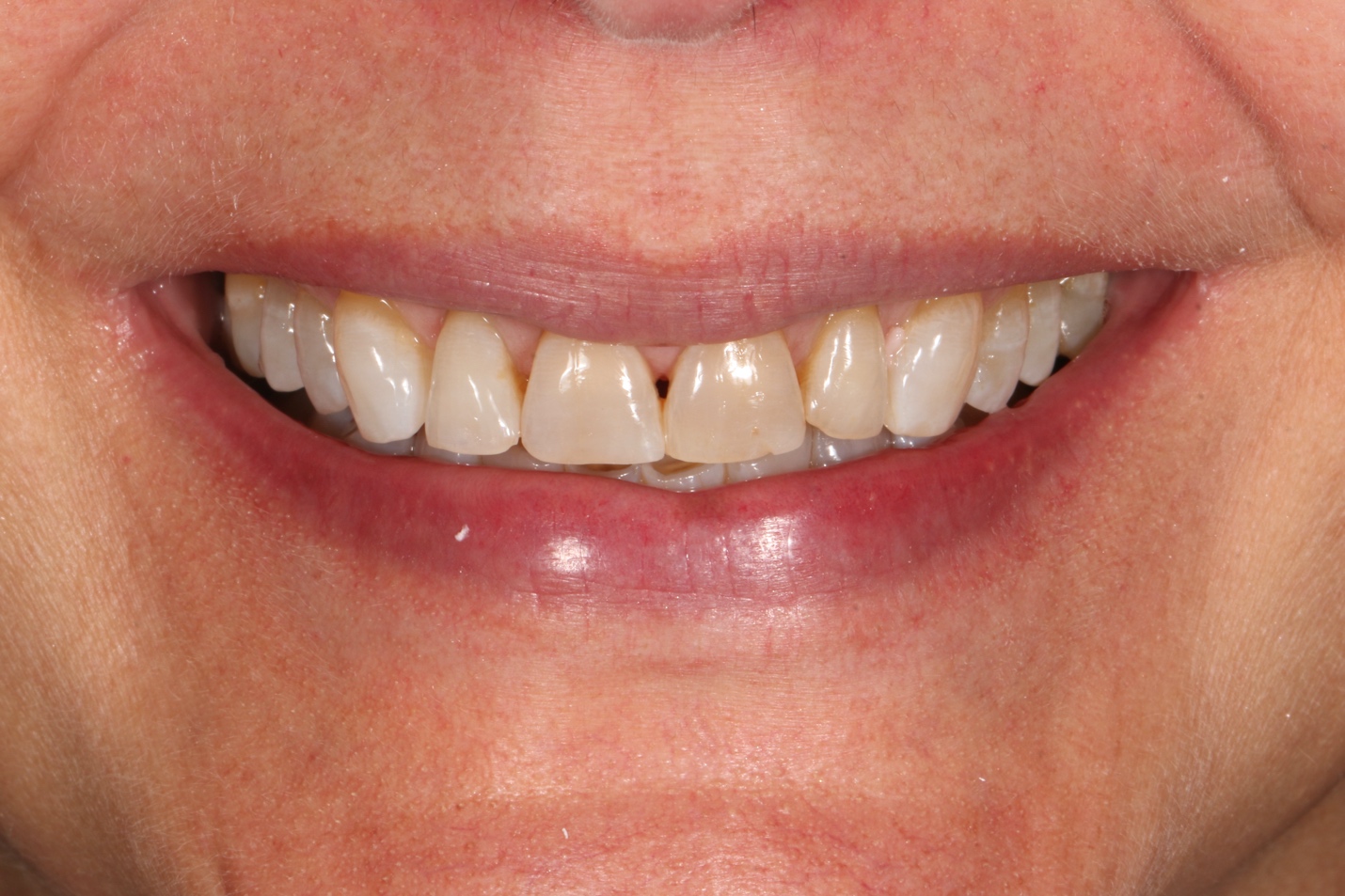
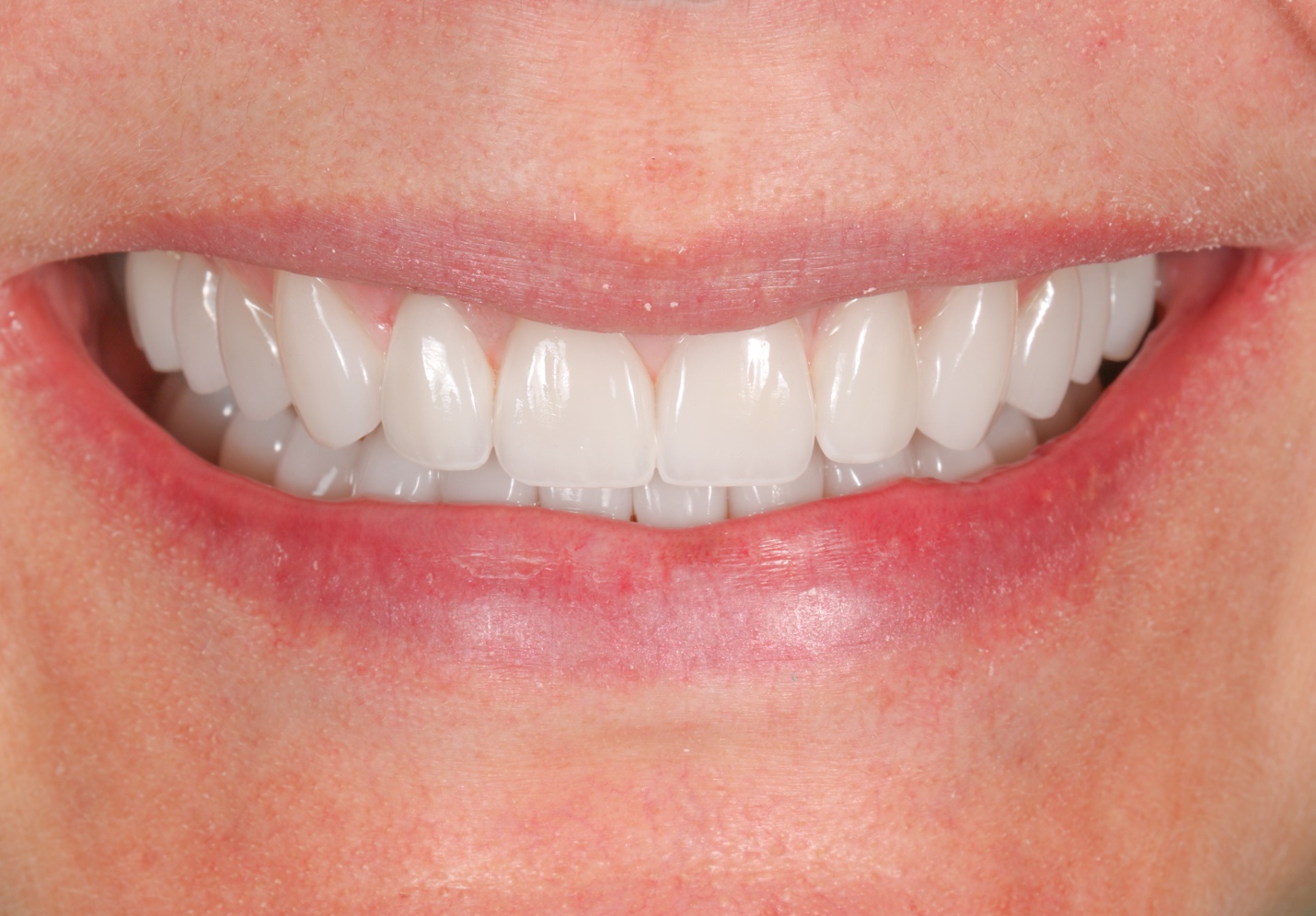
Their potential? Color, shape, harmony, alignment, protection from continued breakdown, replacement of old bonding or old veneers, restoration of chipped or worn teeth — all of these fall comfortably within what a thoughtfully designed set of veneers can correct.
The greater question is not whether veneers can help, but how they should be intentionally and carefully planned, designed, and clinically delivered to provide a result that looks unmistakably like you, at your most beautiful.
Today’s conservative abilities
Preserving and protecting tooth structure is of utmost importance, and today we appreciate this mentality more than ever. Natural tooth structure should be respected, and conservative dentistry is the ultimate key to successful longevity.
With today’s modern materials and techniques, we are able to deliver extremely thin ceramics without compromise to strength or aesthetics. This is revolutionary and unique to the last 10 years of clinical practice. Historically, feldspathic porcelain was used often, which looked nice but maintained a strength roughly twenty percent of today’s ceramics. Conversely, strong materials were robust, but aesthetics suffered. Today’s materials marry high strength, beautiful natural translucency and color, and excellent bondability to the tooth structure. Additionally, today’s understanding of clinical applicability and respect for biology allows a coexistence between our prosthetics and a patient’s natural structures that supports better long-term health and hygiene.
What truly defines a good candidate is far less about the starting condition of the teeth and far more about the standards of the clinician guiding the care.
A matter of standards
What truly defines a good candidate is far less about the starting condition of the teeth and far more about the standards of the clinician guiding the care. As a board-certified prosthodontist, every case I take on is personally diagnosed, designed, and delivered — never delegated, never templated. More importantly, though, is our commitment to excellence and perfection. Our standards are uncompromising — from aesthetics and clinical precision to patient customer service and delivering an unmatched patient experience. As a patient or customer, I would expect and appreciate the same, which is the basis upon which my practice is founded.
The plan begins with a careful aesthetic, functional, and biologic assessment so that the proposed design supports the long-term health and support of your teeth and tissues, not just a single beautiful photograph. When a case is planned this way, what looks beautiful on delivery day continues to age beautifully and remain healthy, for many years to come.
If you have wondered or considered if your smile could be better, it is worth a conversation. In my opinion, honest, informative, personalized answers to your questions and concerns should not be cost-prohibitive. My entire philosophy aims to allow patients an outcome that is 100% tailored to their goal, allowing them to confidently love their smile. This is why I provide complimentary consultations — so that patients can make the best decisions while getting transparent answers to their questions, without it ever feeling salesy, in a commitment-free experience.